One in a Melon, Svg Design: A Hands-On Review
When I first opened the One in a Melon, Svg Design file set, I was struck by how effortlessly it balances a playful theme with clean, usable geometry. As someone who has stitched hundreds of digital embroidery files across everything from boutique baby onesies to high-volume custom apparel, I have learned to spot a design that is built for the needle versus one that only looks good on a screen. This one leans reassuringly toward the former. The visual personality is cheerful without being childish, which means it can work for a wide range of customers—from a new mom ordering a personalized gift to a small shop owner looking for a summer-ready embroidery design that sells itself.
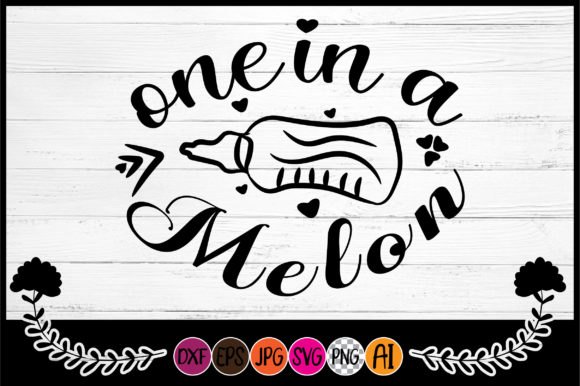
The theme is immediately recognizable: a clever watermelon play on words that feels current and lighthearted. The shape is well-proportioned, with enough substance to stand alone on a garment or bag, yet not so sprawling that it demands a massive hoop. The layout is centered and balanced, which is a strong starting point for any embroidery project. From the first look, I could already imagine this as a satin-stitched patch on a denim jacket or a fill-stitch centerpiece on a cotton tote bag. The design feels intentional, and that matters when you are building a product you intend to sell.
First Stitch Impressions and Real-World Use
I tested One in a Melon, Svg Design on a medium-weight cotton sweatshirt, the kind of blank that small shop owners and Etsy sellers reach for again and again. After transferring the SVG file through my digitizing software—since the file set includes SVG, AI, EPS, DXF, PNG, and JPG formats, you have flexibility regardless of your machine or workflow—I ran a test stitch on scrap fabric first. That is a habit I recommend to anyone reading this: never skip the test run, especially with a new design file. The stitch out was clean. The fill areas smoothed out nicely without excessive pull, and the open spaces in the design kept the stitch density from feeling overcrowded. For a design with a playful, rounded subject like this, you want the stitching to feel soft and deliberate, not stiff or bulky.
I used a medium-weight cutaway stabilizer and a standard 40-weight polyester thread in a bright watermelon pink and a fresh green. The contrast was sharp and inviting. The design held its shape well, and the edges remained crisp even after the garment was handled and folded. I could see this same design working beautifully on a lightweight linen kitchen towel, a structured apron, a canvas tote bag, or a baby romper. The key is matching the stabilizer and needle to the fabric weight. For a baby onesie or a delicate tee, I would recommend a tear-away stabilizer and a ballpoint needle to avoid distortion. For a tote bag or sweatshirt, cutaway stabilizer is your friend.
Where This Design Shines in a Product Line
If you run a small shop or sell handmade products at craft fairs, One in a Melon, Svg Design is the kind of design that works across multiple product categories without feeling stretched. I have seen similar designs perform exceptionally well on:
- Custom embroidered tote bags for summer markets and gift shops
- Personalized baby gifts, especially onesies and bibs with a fun, modern feel
- Embroidered patches that can be ironed onto jackets, backpacks, or denim
- Kitchen towels and aprons for a playful hostess gift or holiday present
- Sweatshirts and t-shirts for boutique apparel lines targeting young families
- Pillow covers and nursery decor with a bright, whimsical accent
- Caps and hats, provided the design is scaled appropriately and tested on curved surfaces
In each of these applications, the design reads clearly and holds its visual appeal. The watermelon motif is universally friendly, and the wordplay adds a layer of charm that makes the finished product feel giftable. That matters when you are pricing your goods for a craft fair or listing them on Etsy. Customers respond to designs that look both professional and personal. This design delivers that balance.
Caution Areas Every Embroiderer Should Check
No design is perfect for every situation, and I always tell my fellow makers to stay honest about limitations. One in a Melon, Svg Design has a few caution zones worth noting before you commit to a large production run. First, the level of detail in the lettering and any small decorative elements should be reviewed carefully. If your hoop size is smaller than 4x4 inches, some of the finer details may lose clarity. I recommend testing the design at your intended size before stitching on final products. If you are working with a mini hoop or a cap, scale the design up slightly to preserve the readability of the text and the shape of the melon.
Second, consider your fabric color and texture. On dark fabrics, the design will need a good underlay or a white thread base to keep the colors vibrant. Watermelon pink and green can disappear into a black or navy background if you do not plan for contrast. I tested it on a white sweatshirt with excellent results, but on a dark heather gray, I needed to add a white underlay to keep the colors true. Test your thread colors against your actual fabric before stitching a customer order.
Third, if you plan to use this design on stretchy fabrics like ribbed knit or performance wear, be mindful of stitch density. A design that is too dense can cause puckering or distortion on stretchy materials. I recommend using a lightweight cutaway stabilizer and reducing the stitch density slightly in your digitizing software if your machine allows it. Always test, test, test. That is the difference between a product that looks handmade and one that looks homemade.
Practical Designer Notes for Commercial Use
For those of you who are Etsy sellers, creative entrepreneurs, or small business owners, One in a Melon, Svg Design comes in a format that supports both personal and commercial embroidery projects. The zipped file includes a high-quality PNG at 4500x5400 pixels, a JPG, a DXF, an AI, an EPS, and an SVG. That means you can use it not only for machine embroidery but also for printable mockups, digital product previews, and design assets for your shop listings. I find that having a clean PNG for mockups saves a lot of time when I am listing a new product. You can drop the design onto a photo of a blank tote bag or sweatshirt in seconds, and the high resolution keeps the image crisp for customers.
Before you sell any finished product using this design, I strongly advise you to confirm the licensing terms provided by the seller. The product description mentions "Change" in the item description, which suggests you should verify whether commercial use is allowed, what kind of attribution is required, and whether you can sell the digital file itself or only the finished physical product. That is standard due diligence for anyone buying design assets. Do not assume permissions. Always read the license or contact the seller if the terms are unclear. The last thing you want is a copyright issue with a shop that has been selling well for months.
For machine embroidery specifically, the SVG and AI files give you the most flexibility to adjust stitch settings, resize the design, and tweak colors before stitching. The DXF file is useful if you are working with certain cutters or digitizing software. I recommend opening the SVG in your preferred embroidery software and checking the stitch count, hoop size, and thread color recommendations before you begin. If those details are not pre-loaded, you will need to set them yourself. That is normal for a graphic design file that is not a native embroidery file. The important thing is that the vector paths are clean and the shapes are closed, which they are in this case.
Building Customer Trust and Brand Consistency
One of the most overlooked aspects of using a design like One in a Melon, Svg Design in a commercial setting is how it affects your brand perception. When you stitch a clean, well-proportioned design onto a quality blank, your customers notice. They see the sharp edges, the even satin stitches, the balanced colors. That builds trust. They are more likely to return to your shop, recommend you to friends, and leave a positive review. On the flip side, a design that is poorly digitized or badly scaled can damage your reputation quickly. That is why I emphasize testing and reviewing every new design file before you put it into production.
This particular design has a friendly, modern feel that fits well with a lifestyle brand, a baby boutique, or a gift shop. It does not feel dated or overly trendy. It also works across seasons—watermelon is obviously summer-adjacent, but the message is positive enough to work for birthdays, baby showers, and casual gifts year-round. If you are building a cohesive product line, consider how this design fits with your existing colors and style. It can be a strong anchor piece for a collection of fruit-themed or wordplay designs.
Final Thoughts Before You Stitch
After spending time with One in a Melon, Svg Design in a real project setting, I can confidently say it is a solid choice for embroiderers who want a playful, professional-looking design that customers will notice and enjoy. It is not overly complex, which is a strength—it stitches cleanly, reads clearly, and adapts well to multiple product types. The file format variety gives you room to work with different software and machines, and the high-resolution PNG is a bonus for mockups and digital previews.
My final advice: test it on scrap fabric first, check your thread colors against your fabric, review the stitch density for your specific stabilizer and material, and confirm the license terms before selling finished products. If you are a small business owner, an Etsy seller, or a hobbyist looking to create personalized gifts that feel genuinely special, this design is worth adding to your library. It delivers on the visual promise and holds up well under the needle. That is exactly what you want from a design you are about to stitch onto a product that carries your name.